
Section 1
Objective measurement of sports specific parameters.
Build Stronger athletes. Prevent Injuries. Scale Coaching.
AI-powered injury prevention and athletic development platform for basketball and baseball teams.

Section 2
Training Hard Isn’t Enough.
-
Objective measuring of sports related metrics is missing
-
Injuries derail development
-
Muscle asymmetry goes unnoticed
-
Fatigue decay is real
-
Address muscle redundancy
-
Coaches can’t monitor every athlete
-
Prevention programs lack compliance

Section 3 – What We’re Building
The Sports Kinesiology platform
-
Injury Prevention (ACL & Rotator Cuff Programs)
ACL injuries are among the most common serious injuries in youth sports, especially in basketball and other pivoting sports. High school athletes experience measurable ACL injury risk each season, and basketball alone has injury rates of about 15.5 injuries per 10,000 athlete exposures in boys and 19.6 in girls.
Structured neuromuscular training and prevention programs are proven to significantly reduce these risks.
2.Strength & Endurance Monitoring
Strength and endurance capacity directly influence injury risk and performance. Studies show that athletes with poor neuromuscular conditioning or inadequate strength balance are more susceptible to ligament and overuse injuries.
Continuous monitoring of training quality helps ensure athletes build capacity safely rather than accumulating fatigue-related risk.
3.Muscle Asymmetry Detection
Research in sports medicine consistently shows that imbalances between limbs or muscle groups increase injury probability, particularly in knee and shoulder injuries common in basketball and baseball. Early detection of asymmetry enables corrective programs that restore balanced movement and reduce overload on specific joints.
4.Fatigue decay
Fatigue alters biomechanics and movement patterns, increasing the likelihood of injury. Studies show that biomechanical indicators such as joint angles and force patterns change progressively as athletes fatigue, making fatigue monitoring essential for safe training loads.
Tracking fatigue decay allows coaches to adjust workloads before performance and movement quality deteriorate.
5.Muscle redundancy
Athletes often compensate for weak or fatigued muscles by recruiting other muscle groups, a phenomenon known as muscle redundancy. Over time this compensation creates inefficient movement patterns and increases stress on specific tissues. Identifying these compensatory patterns helps correct movement early and improve overall biomechanical efficiency.
6.Multi-Athlete Coach Dashboard
Most coaches manage 20–50 athletes at once, making individual monitoring difficult. A centralized dashboard allows coaches to assign training protocols, track compliance, and identify risk signals across the entire team in real time—turning athlete development into a scalable, data-driven process.

Section 4 – For Coaches
Built for Coaches Managing Teams
-
Assign protocols
-
Monitor multiple athletes simultaneously
-
Track compliance
-
Detect fatigue and imbalance
-
Standardized development
-
Data-backed progression
-
Integrated physiotherapy access
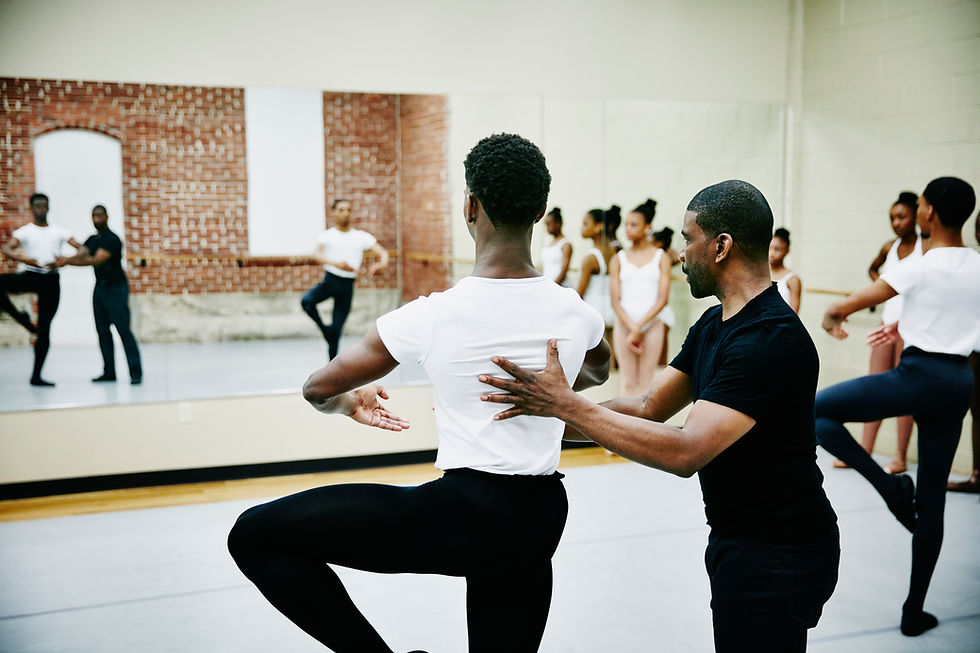
Section 4 – For Coaches
Built for Coaches Managing Teams
-
Assign protocols
-
Monitor multiple athletes simultaneously
-
Track compliance
-
Detect fatigue and imbalance
-
Standardized development
-
Data-backed progression
-
Integrated physiotherapy access

Section 6 – Our Technology
Camera-Based Movement Intelligence
No wearables
No expensive hardware
On-device AI
Developed from proven Wizio Physio platform
1) Our Core Engine
Computer vision
Joint angle detection
ROM measurement
Movement validation
Bilateral Asymmetry measurement
Muscle Redundancy
Fatigue decay analysis
2) Why No Wearables?
Scalable
Low cost
Easy adoption
3) Built on Proven Rehab Platform
Explain transition from Wizio Physio to Sports.
Built on clinically validated motion technology.


Section 7 – Integrated Sports Physiotherapy
Prevention + Performance + Physiotherapy
-
ACL prevention programs
-
Rotator cuff injury prevention
-
Direct access to sports physiotherapists
-
Seamless return-to-play support
Section 8 – Backed By Science & Business
Highlight:
Proven tech team from Wizio Rehab
Pharma-experienced sales leadership
Global Scientific Advisory Board
Olin Washington University MBA Capstone Partnership

Dr. Ashish Anand, USA

Rupali Soeters

Dr. Thomas Patt, Netherlands

Dr. Ashish Babhulkar

Dr. Robert Prill,

Dr. Sachin Baba

Joe Janosky

Dr. Mike Studer
.jpg)


